
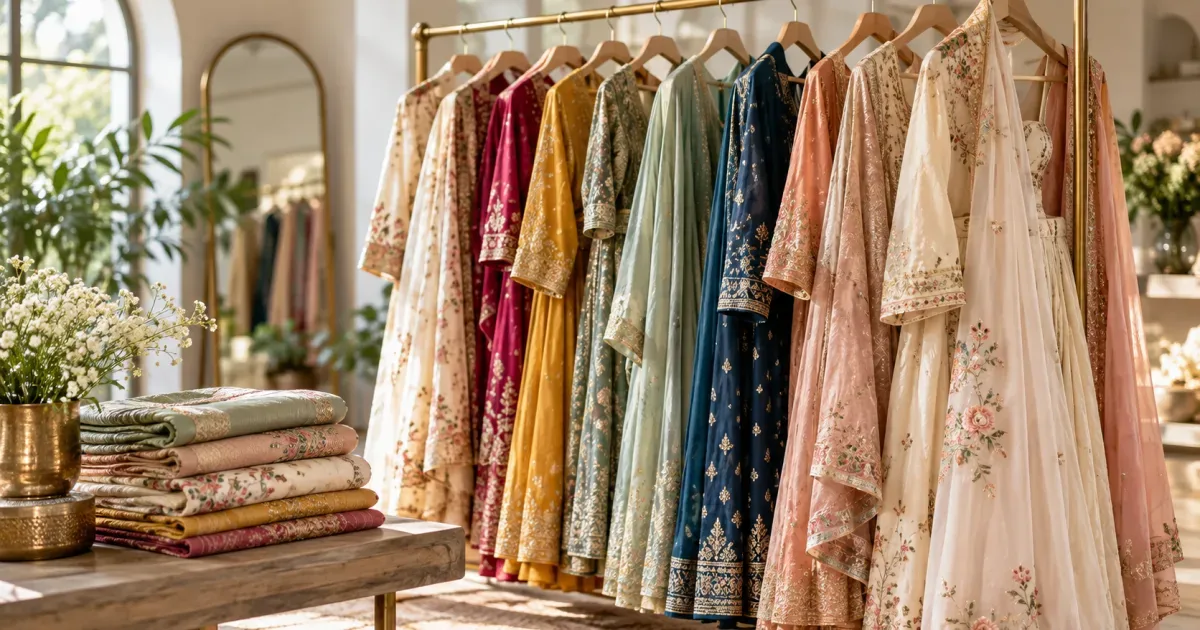
Fashion is the one category where social media is not a marketing channel — it is the storefront. Before anyone buys your kurta set, your sneakers or your handcrafted silver, they have already decided how they feel about your brand from a grid of images and a few Reels. Social media marketing for fashion brands is the work of making that first impression do the selling.
India has made this both easier and harder. Easier, because Instagram is where style discovery now happens for millions of shoppers. Harder, because every boutique in Bandra, every D2C label, and every reseller is fighting for the same scroll. Looking good is no longer enough. You need a system.
This is that system — built for Indian fashion brands, from a Mumbai boutique to a growing online label.
Why fashion brands win or lose on social
Three things make social uniquely decisive for fashion:
- The product is visual and aspirational. People do not buy clothes; they buy a version of themselves. Social is the only place you can sell that feeling at scale.
- Discovery is impulse-driven. Nobody wakes up needing a new co-ord set. They see it on a Reel, picture themselves in it, and want it. You create the demand.
- Trust is everything in Indian fashion. Fit, fabric and “will it look like the photo?” are real fears. Social is where you remove them — through real customers, try-on videos and reviews.
Get the visual identity, the content and the funnel right, and social becomes a machine that turns strangers into first-time buyers and buyers into a loyal, returning audience.
Start with a visual identity people recognise at a glance
Before tactics, you need a look. A fashion brand’s feed should be recognisable with the logo cropped out. Scattered, inconsistent visuals read as “random reseller”, and random resellers compete only on price — a race to the bottom you do not want.
Lock a visual language
- Colour and tone: Warm and earthy, clean and minimal, bold and saturated — pick a direction and hold it across every post. Consistency is what makes a feed look like a brand.
- Photography style: Decide whether you are studio-clean, outdoor-lifestyle, or editorial. Shoot to that style every time.
- Typography and templates: Use the same fonts and layout for sale announcements, price drops and quotes so even your text posts feel on-brand.
The grid still matters
When someone lands on your profile deciding whether to follow or buy, the top nine posts are your shop window. They should feel curated, not accidental. Mix product shots, lifestyle imagery and the occasional lookbook cover so the grid reads like a magazine, not a catalogue dump.
The content pillars that sell clothes
Rotate between these formats rather than posting the same product shot endlessly. Each does a different job in moving someone toward a purchase.
1. Reels — your discovery engine
For fashion, Reels are non-negotiable. They are how new buyers find you. The formats that work:
- Styling Reels: “One saree, three ways to drape it.” “How to style these trousers for office and for a night out.” These get saved and shared — the strongest signals to Instagram to push your content to new people.
- Try-on / fit Reels: Real movement on a real body removes the biggest objection in online fashion — “how will it actually fit?”
- Behind-the-scenes: The fabric arriving, the first sample, a shoot in progress. This is what makes a brand feel real and worth following.
- Transitions and reveals: Plain-to-dressed-up transitions on a trending audio still work because they showcase the garment while riding the algorithm.
Need concepts on tap? Our list of 30 Instagram Reels ideas for local businesses has a fashion section you can run with this week.
2. Lookbooks and collection drops
Treat every new collection like an event. Tease it before launch (“Dropping Friday 👀”), reveal it with a styled lookbook carousel and a hero Reel, and follow up with individual product posts over the next week so the drop keeps breathing instead of disappearing in a day.
A carousel lookbook — five to eight styled images telling one seasonal story — is one of the most underused, high-saving formats in Indian fashion. It gives followers a reason to come back to your post, and saves push your reach.
3. User-generated content and social proof
Nothing sells fashion like someone who is not the brand wearing it. UGC answers “will this look good on a normal person?” better than any studio shoot.
- Re-share every customer photo and tagged story (make tagging you a habit — slip a card in every order asking for it).
- Run a branded hashtag so customer content is collectible in one place.
- Repost styling that customers do themselves — it gives buyers ideas and proves the product lives in the real world.
4. Influencer collaborations
Influencers are how most Indian fashion brands scale discovery. The mistake is chasing follower counts. A creator with 25,000 genuinely engaged followers in your aesthetic will outsell one with 500,000 passive ones — and cost a fraction.
- Micro and mid-tier creators (10k–100k) in your niche give the best return. Seed product in exchange for authentic Reels, or pay for a defined deliverable.
- Match aesthetic, not just reach. A streetwear label on a soft-pastel wedding influencer is wasted money.
- Use a trackable link or code so you know which collaboration actually drove sales, not just likes.
Connecting social to the sale: the fashion funnel
Beautiful content that does not lead to a checkout is a hobby. The job of your social is to move people from “that’s nice” to “it’s in my cart”. Here is the funnel that does it.
| Stage | What the buyer is doing | Your job |
|---|---|---|
| Discover | Scrolling Reels, not looking for you | Stop the scroll with styling and try-on Reels |
| Follow | Checking your grid and bio | Convert with a strong grid, clear bio, shoppable feed |
| Consider | Reading reviews, checking fit and price | Serve UGC, try-ons, size info, reviews |
| Buy | Ready, wants it easy | One-tap path: shoppable post, DM, or site link |
| Return | Happy customer | Re-engage with drops, offers, loyalty |
Make the feed shoppable
Set up Instagram Shopping and tag products in posts and Reels so a buyer can tap a garment and go straight to buy. Every un-tagged product shot adds a step — and every step loses buyers.
Decide: DM selling vs a real website
Many Indian fashion brands start by selling entirely over DMs and WhatsApp — “price?”, “available in M?”, “share your UPI”. It works at first and is a fine way to validate demand. But it does not scale: you will drown in repetitive messages, lose orders you forgot to reply to, and have no way to run offers or retarget.
At some point, a proper ecommerce store pays for itself — it handles catalogue, sizes, payments (Razorpay, UPI, cards, COD) and inventory while you sleep, and gives your social a single clean destination. If you are weighing that step, read our breakdown of ecommerce website development cost in India so you know what to budget before you commit.
Automate the repetitive DMs
Even with a website, DMs will flood in — size queries, “is this available?”, “how to order?”. Auto-replies that answer the common questions instantly and route serious buyers to checkout stop you losing sales to slow replies. We build these with our AI automation service, so no 11pm “do you have this in red?” goes cold.
Seasonal campaigns: India’s fashion calendar is your content calendar
Indian fashion runs on seasons and festivals, and your content should plan around them months ahead, not scramble the week of. Build your year around moments like:
- Wedding season (roughly Oct–Feb): ethnic, occasion wear, bridal-adjacent. The biggest spending window for many labels — plan collections and influencer pushes early.
- Festive runs (Navratri, Diwali, Eid, regional festivals): drops, limited editions, gifting angles.
- Summer and monsoon: lighter fabrics, resort and casual — lean into comfort and practicality content.
- Sale events (end of season, festive sales): plan the creative and the countdown well in advance.
A simple rule: start teasing a seasonal collection three to four weeks before the buying window opens. Fashion buyers plan their festive and wedding outfits early, and the brand already in their feed wins the order.
Should you run ads? Yes — but strategically
Organic Reels build the brand; paid ads scale what is already working. The smart sequence for a fashion brand:
- Find your winner organically. Post consistently and watch which Reel gets the most saves, shares and sales.
- Put budget behind the proven one. Boosting a Reel that is already converting is far safer than designing an ad from scratch.
- Retarget browsers. People who viewed your products or added to cart but did not buy are your cheapest sales — show them the exact item again with a gentle nudge.
- Use catalogue ads once you have a store. These automatically show shoppers products they looked at, and are the workhorse of profitable fashion advertising.
You do not need a huge budget to start. A disciplined ₹10,000–₹30,000 a month, pointed at proven creative and warm audiences, teaches you your numbers before you scale.
What a real social media operation costs to run
Doing fashion social properly is a genuine workload — shoots, editing, reels, posting, DMs, influencer coordination, ads. Many founders start solo, then hit a ceiling where the content slows down exactly when the brand is gaining traction. That is usually the point to bring in help.
If you are deciding whether to build an in-house team or hand it to an agency, our guide to social media marketing packages in India lays out what is included at each level and realistic monthly pricing, so you can compare honestly.
Metrics that matter (and the ones that do not)
Likes feel good and mean little. For a fashion brand, watch:
- Saves and shares — the truest signal that content is resonating and will get pushed to new people.
- Reach from non-followers — are you actually discovering new buyers?
- Profile visits to link taps / DMs — is interest turning into intent?
- Sales attributable to social — the only number that pays the bills. Use codes, trackable links and “how did you find us?” to connect the dots.
Follower count is a flattering vanity metric. A 15,000-follower brand that converts beats a 150,000-follower brand that cannot sell a single kurta.
Common mistakes Indian fashion brands make
- Catalogue dumping: posting only flat product shots with no styling, story or lifestyle. It reads as a wholesale feed, not a brand.
- Ignoring Reels: relying on static posts caps your reach to existing followers — death for discovery.
- Inconsistent visuals: every post a different style, so nothing is memorable.
- Chasing big influencers for ego: one expensive mega-influencer post rarely beats five well-matched micro-creators.
- No clear path to buy: gorgeous content, and then “DM for price” with a two-day reply time. Buyers move on.
Frequently Asked Questions
How often should a fashion brand post on Instagram?
Aim for three to five feed posts a week and at least three Reels, plus daily Stories. Reels drive discovery, the grid converts visitors, and Stories keep you top-of-mind and push drops and offers. Consistency matters more than volume — a sustainable rhythm you keep beats a burst you abandon.
Do I need a website, or can I sell only through Instagram DMs?
You can start on DMs and WhatsApp to validate demand, but it does not scale — you lose orders, drown in size queries and cannot run offers or retargeting. Once you have steady demand, a proper ecommerce store handling payments, sizes and inventory usually pays for itself quickly.
Are influencers worth it for a small fashion brand?
Yes, if you pick well. Micro and mid-tier creators (10k–100k) whose aesthetic matches yours give the best return at a fraction of mega-influencer cost. Seed product or pay for a clear deliverable, and always use a trackable code so you know which collaboration actually drove sales.
How much should I spend on ads?
Start small — ₹10,000 to ₹30,000 a month — and only behind creative that is already performing organically. Prioritise retargeting people who viewed products or abandoned carts; those are your cheapest, warmest buyers. Scale spend only once you know your cost per sale.
What content actually sells clothes versus just getting likes?
Styling and try-on Reels, lookbook carousels, and real customer (UGC) content drive the most saves, shares and purchases. Flat catalogue shots get scrolled past. Content that helps someone picture themselves in the outfit — and shows it on a real body — is what converts.
How long before social media brings in consistent sales?
With consistent Reels, a strong visual identity and an easy path to buy, most fashion brands see meaningful traction within two to four months, and it compounds from there. The brands that commit to posting every week for six months are in a completely different position than those that post sporadically.
Platform tools behind social media marketing for fashion brands
Shoppable content is central to social media marketing for fashion brands, and the setup requirements come straight from the platforms.
- Instagram for Business — Instagram’s own guidance for business accounts.
- Meta Business Help Centre — official Instagram and Facebook ads guidance.
Let’s build a feed that actually sells
Fashion rewards brands that look consistent, create demand with Reels, and make buying effortless. If your content is strong but sales are not following — or you simply do not have time to shoot, edit and run ads while running the label — that is where we come in.
Hype Marketer builds social-first fashion brands across India: visual identity, Reels and lookbooks, influencer campaigns, shoppable feeds and the ecommerce and automation behind them. Talk to our team about turning your Instagram into your best-performing sales channel.
2 thoughts on “Social Media Marketing for Fashion Brands in India”